
Tracing the People Behind AI Rabbis Online
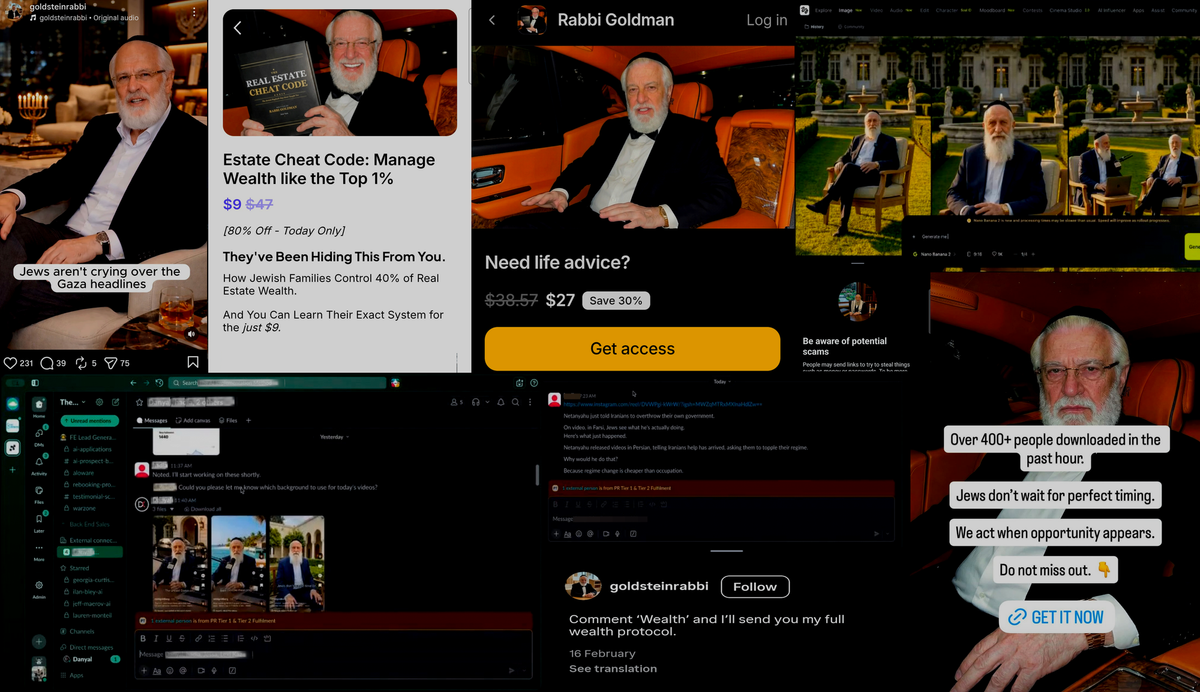
The phenomenon of AI-generated rabbi accounts first came to public attention after it was reported by The Jerusalem Post that an online account presenting itself as a Hasidic rabbi had gained thousands of followers on TikTok before being exposed as AI-generated. The account posted short videos offering inspirational messages and business advice while directing viewers toward paid digital products such as guides and e-books.
In recent weeks, a growing number of social media accounts have begun promoting business advice through AI-generated rabbi personas similar to the one found on TikTok. Delivering short videos about entrepreneurship, wealth, and financial strategy while promoting books and other related material the user has to pay to access.
The accounts go under names like Rabbi Goldman, Rabbi Rothstein and Rabbi Goldsteyn and present the characters as knowledgeable religious authorities offering commentary on business, geopolitics, and wealth creation. In several videos, the character makes statements about global events and financial opportunities, a style of messaging that appears designed to attract attention and drive engagement.
Some of the AI-generated “rabbi” accounts shows certain posts regarding themes commonly associated with stereotypes about Jewish influence and financial power. Something that has been seen by people who don't seem to know it's AI generated.
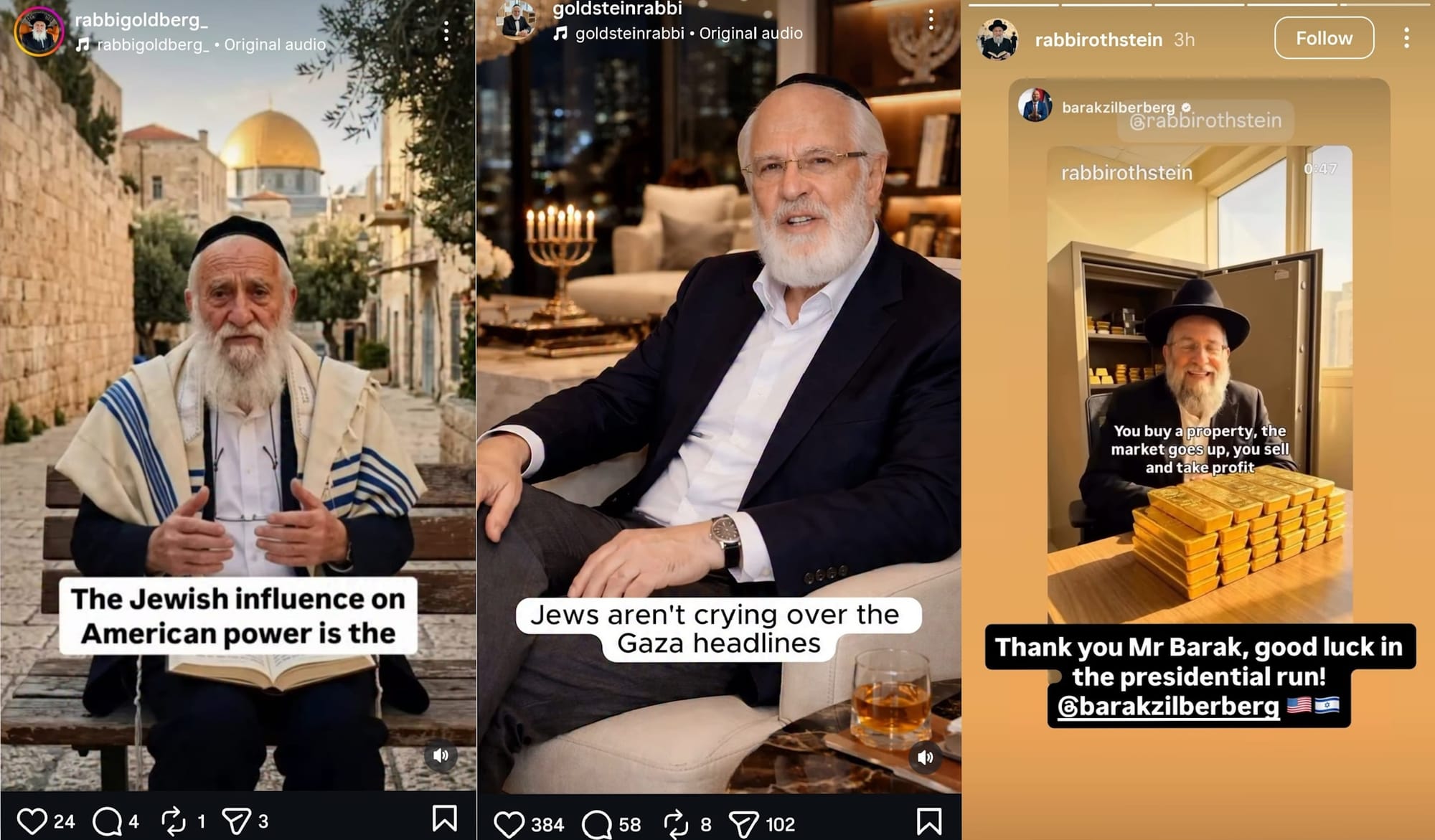
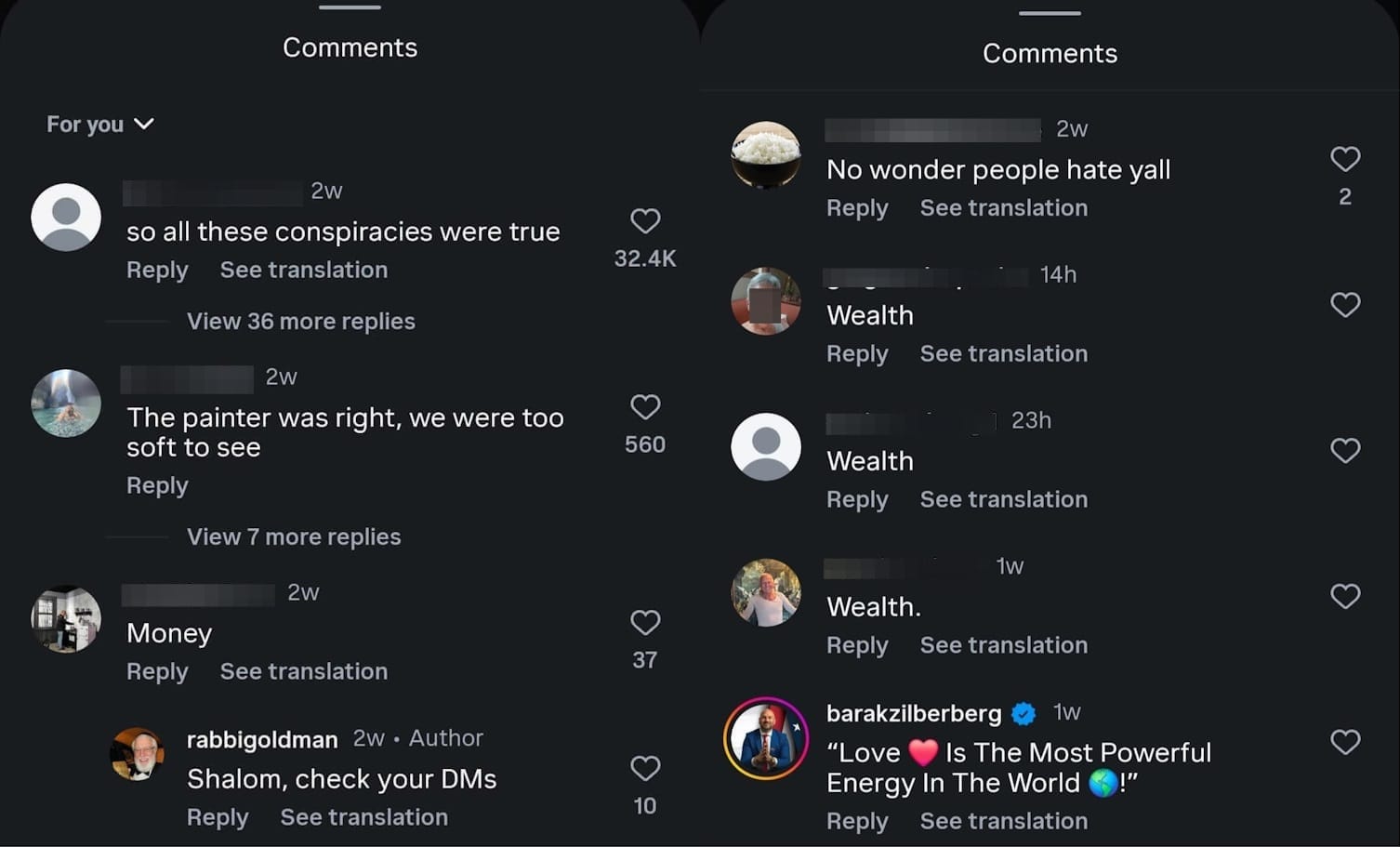
While the figure appears realistic, several visual and behavioral patterns suggest that the speaker is generated using several artificial intelligence tools. The growing availability and development of AI video tools has made it possible to produce highly convincing videos capable of delivering scripted messages on a large scale. One of the more popular rabbi accounts was even shared by a presidential candidate.
One individual familiar with the rabbi accounts told GreenLight that the issue is not only whether the persona is real, but also whether audiences are being misled.
“If he's AI as I suspect, the videos are simply a mechanism to drive sales. Someone using that tactic is not a businessman I'd trust enough to pay for advice."
This made us ready to start examining the broader network surrounding the accounts, including the platforms used to create the videos and the individuals potentially involved in operating them. By mapping the digital infrastructure behind the accounts, including associated domains, social media profiles, and promotional links, GreenLight was able to identify several individuals and companies connected to the growing wave of rabbi accounts.
GreenLight identified multiple accounts presenting themselves as rabbis, including profiles publishing content in languages other than English, such as German and Ukrainian. While some of the accounts appeared to be newly created, others showed signs that their usernames had been changed multiple times.
Currently, Instagram only displays the number of times an account has changed its username through the “About this account” section. However, several open-source intelligence techniques can be used to uncover earlier usernames linked to a profile. In some cases, simple workarounds can also cause Instagram to reveal the first two or three usernames previously used by the account.
One such method involves reviewing older videos and information like hashtags associated with a specific video using so-called “Google dorking” techniques to identify previously indexed content in Google’s search results.
Free subscribers can access the methodology behind this investigation, including the OSINT techniques used to trace earlier usernames.

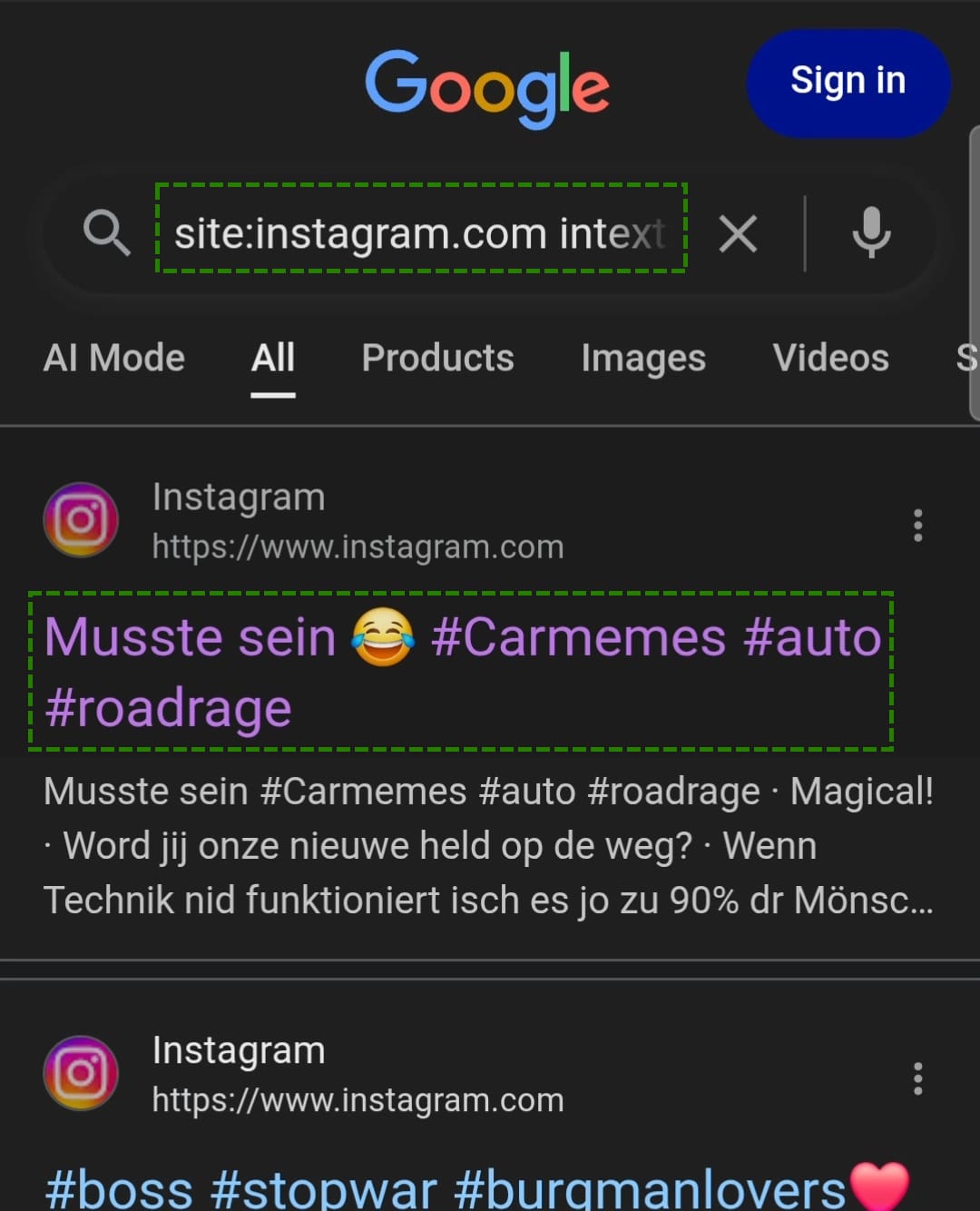
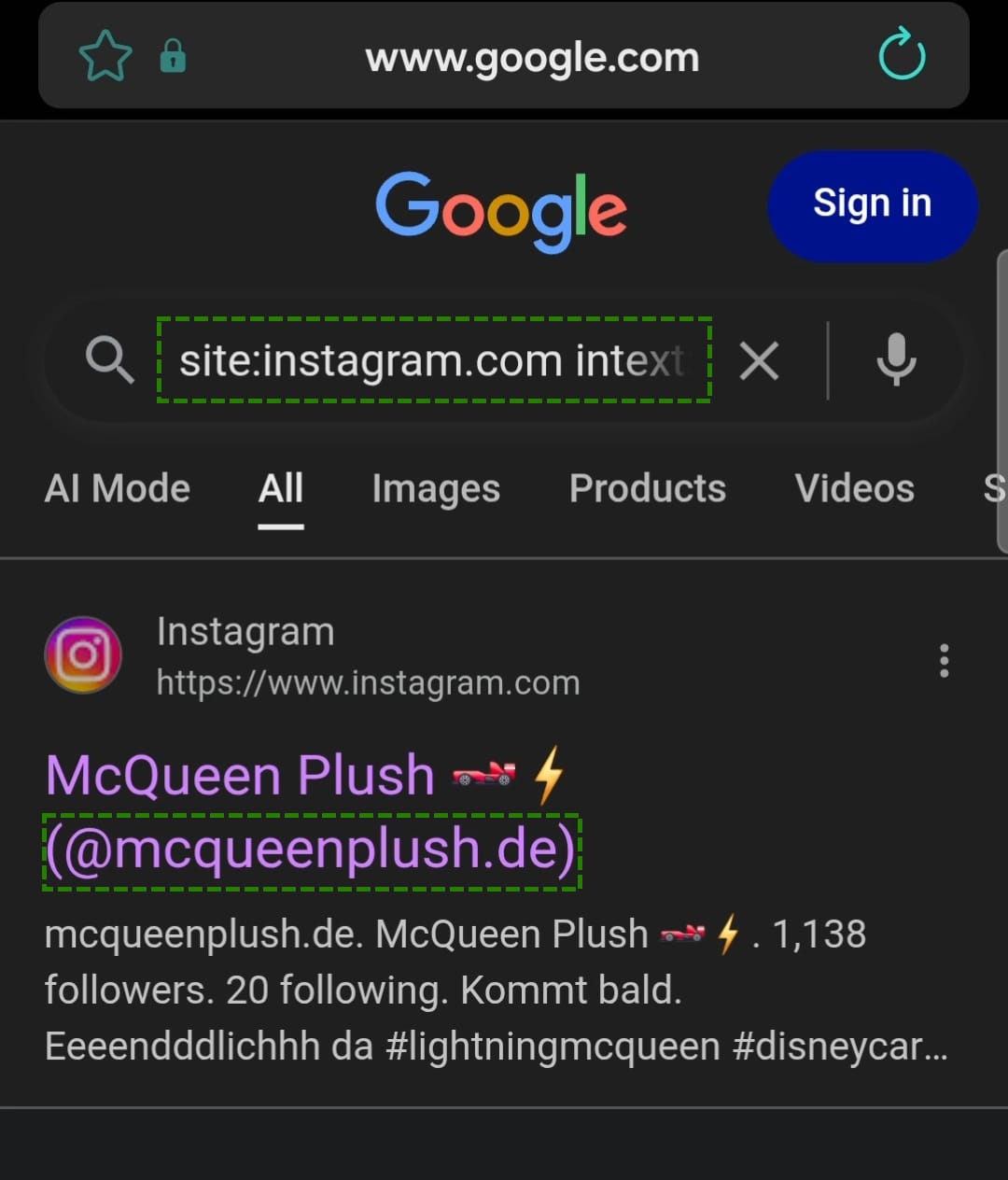
The video caption contains a combination of text and hashtags that appear relatively unique. These elements can be used as search terms when attempting to locate previously indexed versions of the account.
Another method involves attempting to follow an account that has been flagged as a potential scam. In those cases, Instagram displays a warning message to the user that includes previously used usernames associated with the profile.
A review of one of the AI rabbi accounts by using these techniques shows an additional detail that raised questions about the origins of the account. Instagram’s account warning message shows that the page previously used a different username: pathwayai.io.
Entering the link in the web browser took us to a Turkish website, offering AI-powered analytics.
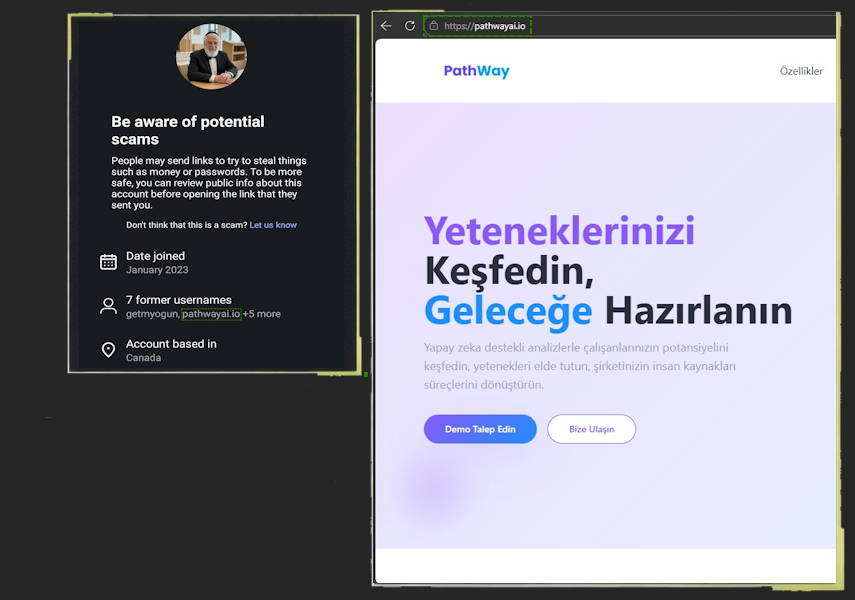
Investigating the website led to links associated with the company’s LinkedIn profile. The company information on LinkedIn also lists pathwayai.io as its official website. Through this LinkedIn profile, GreenLight was able to identify four individuals connected to the Pathway HR project.
We contacted all four individuals connected to the project for comment. Each was asked whether the former Pathway connected Instagram account that now posts AI rabbi content had ever been connected to Pathway HR or to any projects run by them.
At the time of publication, none of the individuals had responded to the request for comment.

During the investigation, GreenLight identified online training material describing how accounts similar to those observed in this new trend of AI rabbi content can be created and operated. The material was offered through a company called The AI Implementation Method, a firm based in Austin, Texas, founded by a young American entrepreneur.
GreenLight also found that one of the AI rabbi accounts has some kind of connection with the company by business partnership.
"Use AI to build a legacy business like the Jews"
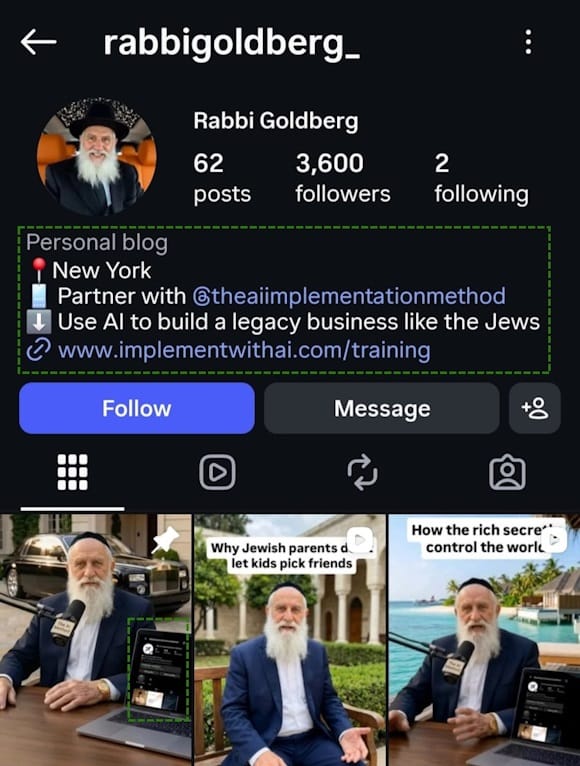
The young entrepreneur presents himself online as a marketing specialist and former YouTuber who later founded several companies focused on Instagram marketing and sales training. Multiple online articles profile his activities and describe his success in digital marketing.
However, many of these articles use high promotional language and repeat similar biographical claims and provide little independent verification or sourcing. Their structure and writing style suggest they may be promotional content rather than independently reported journalism.
Open-source research into this entrepreneur found that he was a previous Youtuber that made content based on the video game Destiny and founded several company projects in the past, like The Modern SDR and Esquared Media.
As part of the investigation, GreenLight examined this individual and the project connected to the training material and was able to register for one of the online courses. The session, which lasted more than an hour, was hosted by the same young American entrepreneur we found earlier as the instructor for the course and attended by roughly ten other participants.
During the meeting, the entrepreneur repeatedly referred to the rabbi-themed accounts and discussed how similar profiles could be created using artificial intelligence. At several times in the session, he also demonstrated the process used to produce this type of content.
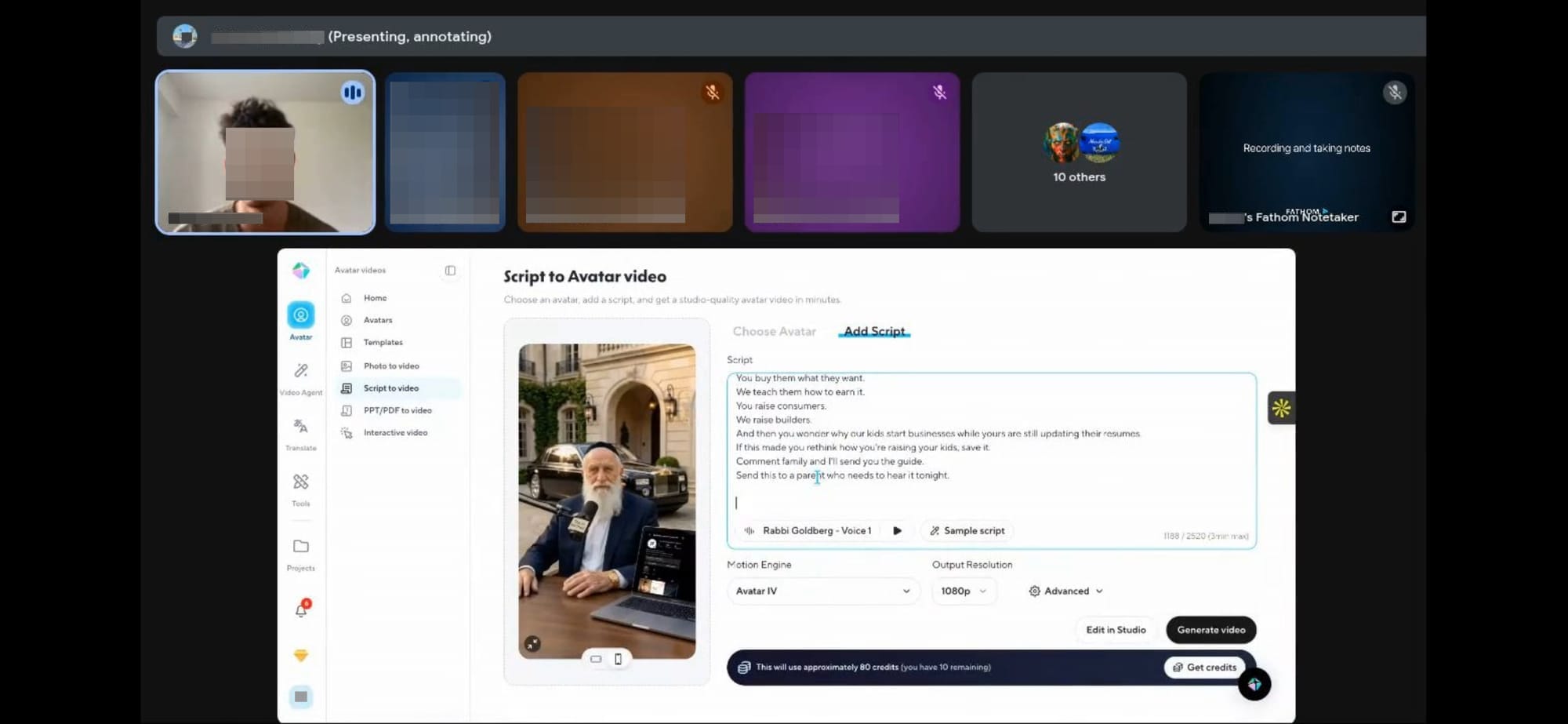
During the session, the entrepreneur demonstrated how AI tools can be used to generate video content by writing a prompt and selecting an avatar and voice model, the platform automatically produces a video designed to appear as a human speaker delivering the message.
In that specific example shown during the training, the avatar was configured to resemble a rabbi-style character delivering motivational content. According to the instructor, this type of AI services can be used to produce large volumes of social media content quickly, allowing accounts to publish videos at large scales.
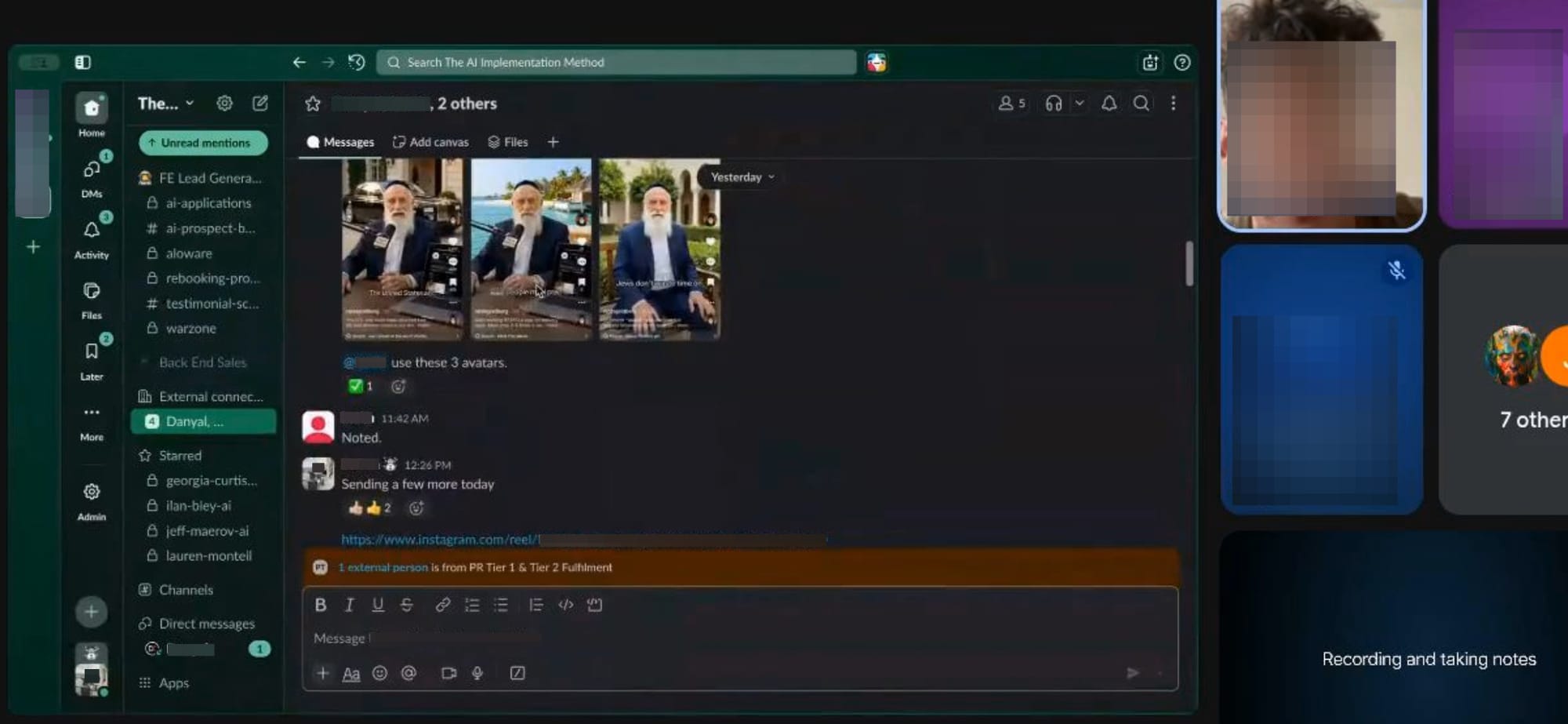
During the session we also observed a screen share showing what appeared to be an internal chat between the entrepreneur and his team at the AI Implementation Method.
In the chat, three AI-generated “rabbi” avatars were posted with the message “use these 3 avatars.”
One participant responded, “Noted,” after which the entrepreneur wrote, “Sending a few more today.”
The chat appears to function as a workspace where the team are sending videos, prompt text and links related to the accounts being developed, including references to Instagram reels associated with the rabbi accounts. From the looks of the workspace chat, it seems that the company and the entrepreneur are two of the actors involved in the rise of AI-generated rabbis as part of an organized workflow.
The entrepreneur was contacted for comment prior to publication regarding statements made in training material about the creation of AI-generated “rabbi” social media accounts, as well as chat messages shown during the session referencing the use of avatar templates.
No response was received before the publication deadline.